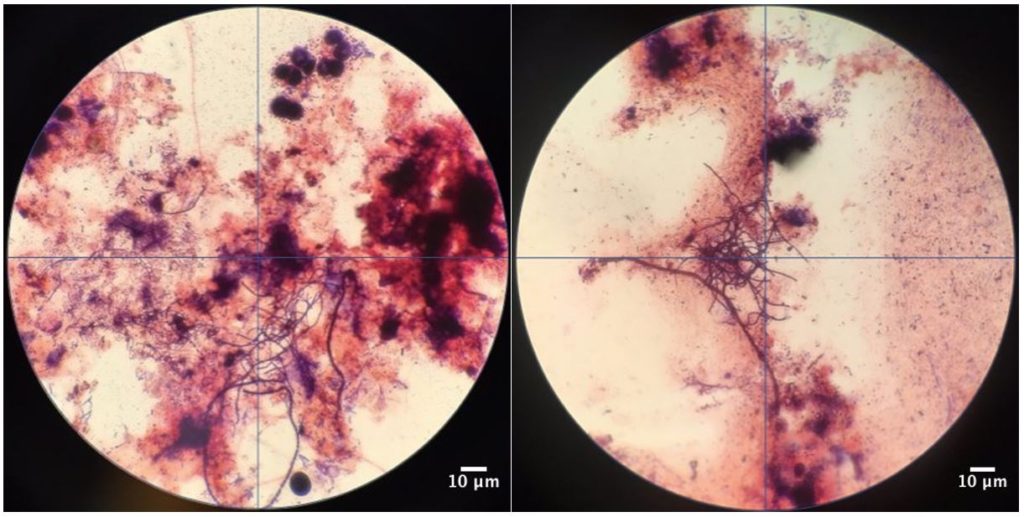
As urbanization increases, wastewater treatment plants must treat higher flows while meeting stricter nutrient discharge limits, often within space-constrained facilities. Traditional activated sludge systems, originally designed for biological oxygen demand removal, now require additional processes for nitrogen and phosphorus removal, increasing reactor volume, energy demand, and chemical inputs. To address these challenges, process intensification—developing more efficient and compact treatment technologies—has become essential. This research investigates two intensification technologies, the Mobile Organic Biofilm (MOB) process and aerobic granular sludge. Lab and pilot scale studies are conducted aimed to advance wastewater treatment intensification, enabling more sustainable, adaptable, and resource-efficient nutrient removal solutions.